Commit to the Process: Why I’m offering mentorship-based climbing programs
A little over ten years ago, I knew I wanted to learn how to trad climb. I was totally committed to gaining this skill, so much so that I drove sixteen hours from Seattle to Las Vegas to spend six weeks climbing in Red Rock Canyon and Joshua Tree. I had a borrowed Honda Civic that belonged to a friend who was abroad, a campsite number where friends of friends were staying, and plenty of leftover tortillas from my outdoor education job. I was ready to be a dirtbag climber!
After following friends (and strangers!) up countless routes, removing tons of cams, and getting comfy with sandstone climbing, I led my first trad pitches in Red Rocks. Friends with a little more experience than me checked my gear. I struggled up my first few crack climbs in Joshua Tree, the coarse granite quickly forming gobis on the back of my hands. After that first, formative trip, I felt ready to come back the next season and take the lead on longer multi-pitch climbs and harder pitches.
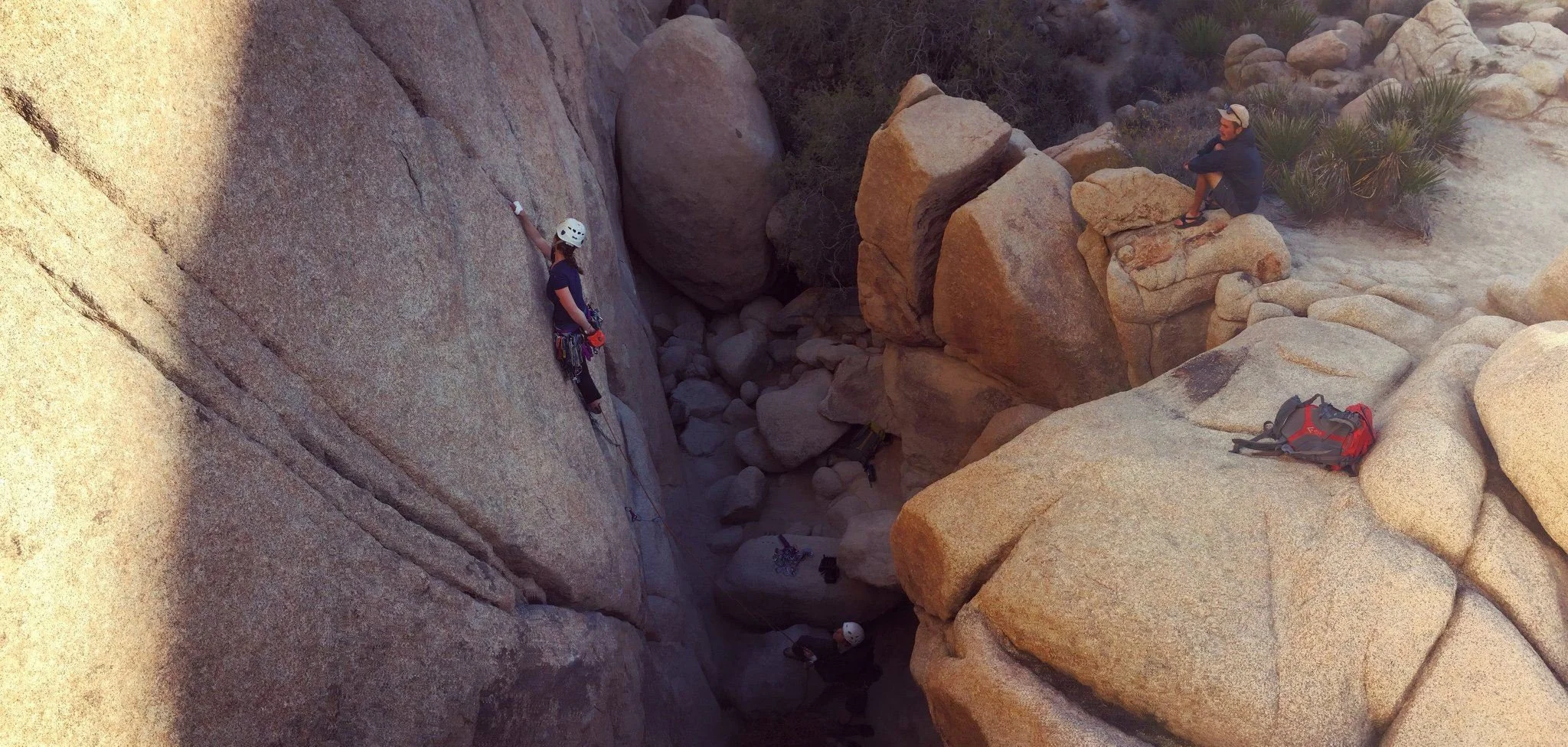
Leaping Leaner in Joshua Tree - one of my first trad leads! Now a climb I would not recommend for anyone’s first trad lead!
That process worked for me because I was a seasonal worker with a lot of time on my hands and limited funds. I split campsites with ten other people, ate mostly peanut butter and jelly, and climbed with strangers I met in the campground. What truly worked about this approach though wasn’t the dirtbag lifestyle. It was the time spent in diverse rock terrain, the number of cams I removed and placed, and the variety of problems I had to solve. In short, it was my commitment to the process of learning.
Without any professional instruction, I had to do plenty of faffing around, and I know a lot of folks don’t have a spare six weeks lying around. That’s why I’ve recently made it a priority to offer season-long, mentorship-based programming for climbers who want to become more self-sufficient. I know that time is limited, but I also truly believe that a deeper commitment to the learning process pays off dividends.
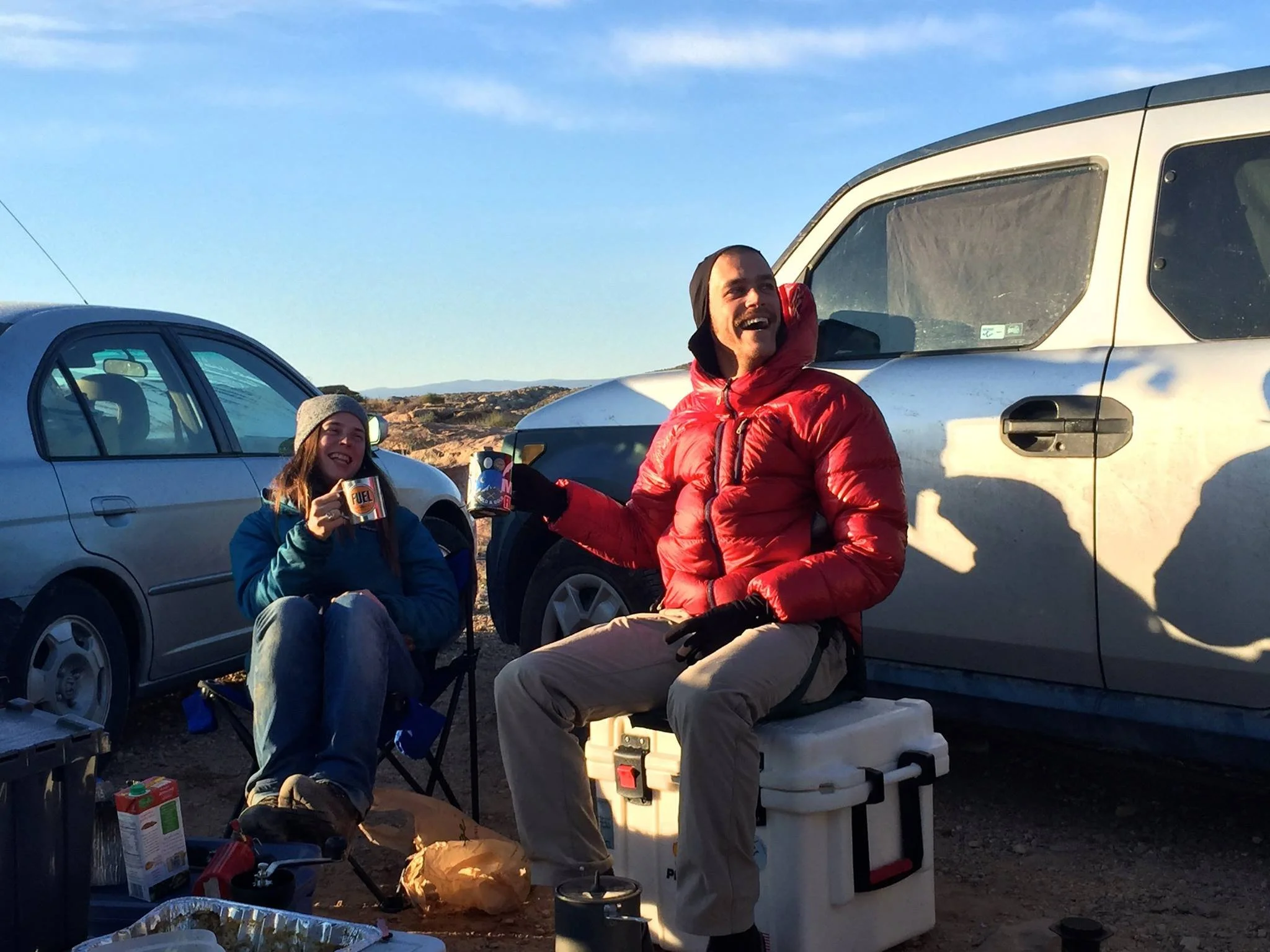
The Honda Civic and one of the slightly more experienced friends that made it all possible <3
Why Sign Up for a Season-Long Climbing Course
1. Gain confidence through time in terrain
Every time I smear on granite or wedge my fingers in a crack, I’m collecting data with my body. The more footholds I trust, the better I understand the nuances of the rock and the more confidence I build in my movement.
When I’m lead climbing, my movement is my first line of defense in keeping myself safe. I’m constantly making risk assessments based on how the climbing feels to me relative to the protection that is available. During a season-long course, I am able to build in plenty of time to teach movement skills. Climbers also get more volume practicing on routes of different styles.
There are no shortcuts to gaining confidence moving over different types of rock. You just have to do the thing.
2. Build competence through repetition and practice
Rather than the typical firehose of information that a lot of students experience during a weekend course, I’m able to progressively introduce skills in bite-sized chunks. Each session will build on the last, and climbers will put what they learn into practice in subsequent weeks.
After two days, not everyone feels confident enough to apply the skills on their own. Without ongoing practice and repetition, it’s easy to forget most of what you learn and feel like you have to start from square one each season. Throughout a whole season, there is plenty of time for practice and repetition, so the learning actually sticks.
3. Receive coaching, not just guiding
One of my favorite aspects of mentorship-based programming is the relationship I develop with each student. I gain a much better understanding of each person’s relationship with climbing, their optimal challenge zone, and their unique learning style.
With more sessions over a longer period of time, I can actually provide coaching, not just guiding. I can give specific feedback to each individual and select climbs that match different movement abilities. Because we have more time to build trust, I am able to slowly increase challenges in ways that work for each student and give participants more opportunities to take the lead.
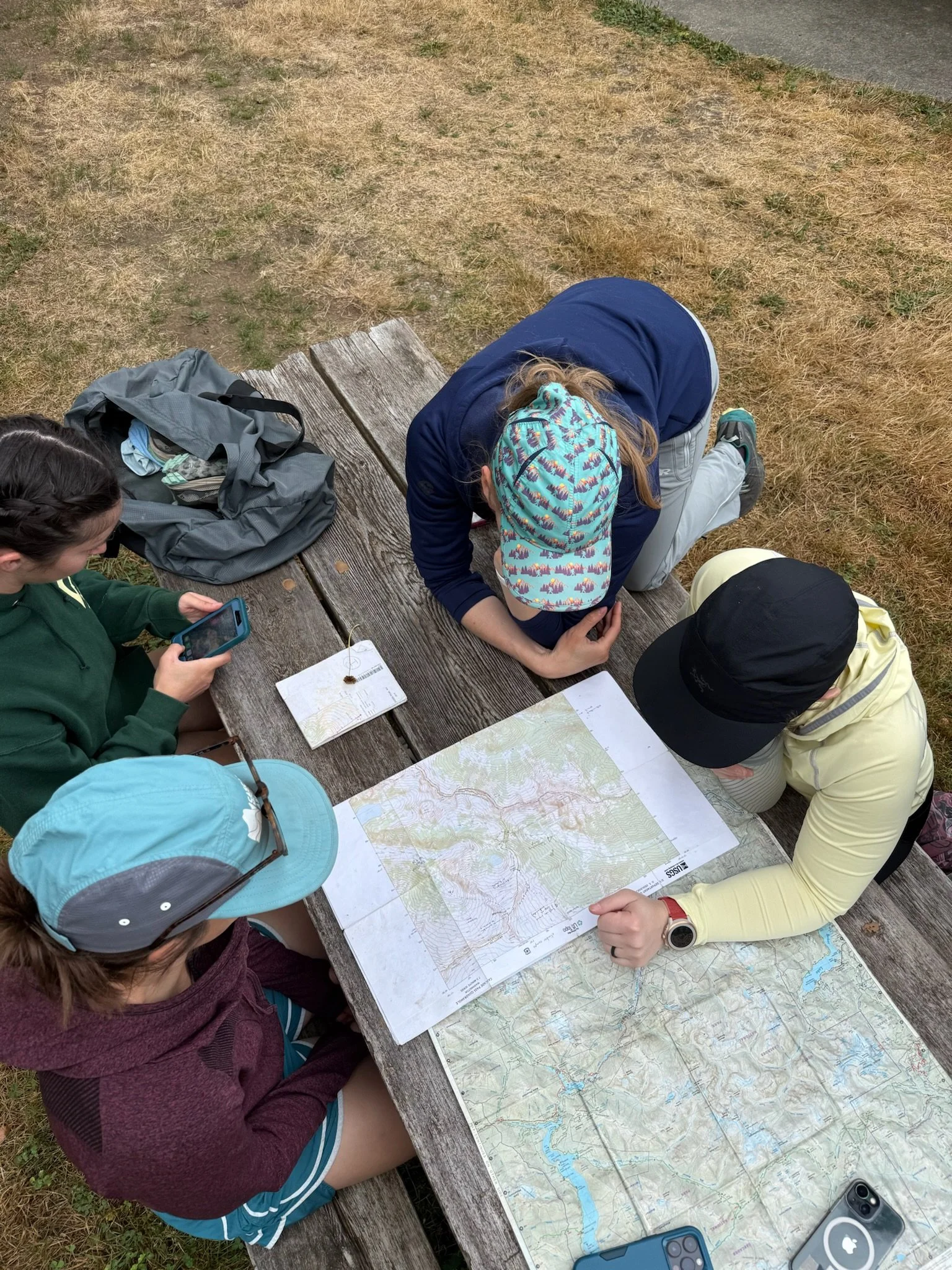
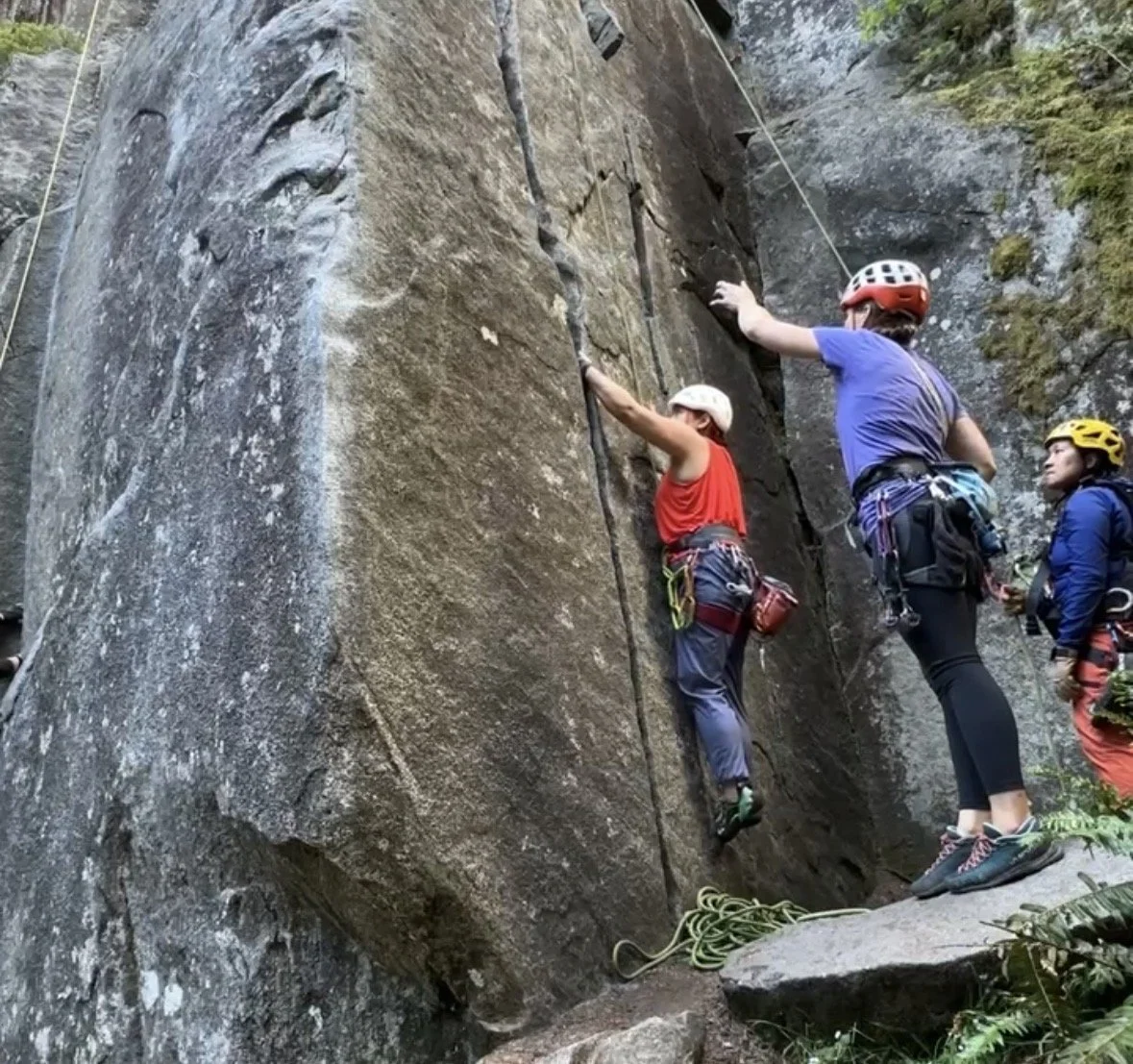
4. Learn to use TOOLS rather than memorize RULES
While there are fundamental skills to learn, they can look wildly different, depending on the terrain and application. For example, a trad anchor might consist of three cams and a cordelette OR it might combine a thirty meter static rope with a pinch between two boulders and two equalized nuts.
I often say that there are few rules in climbing but rather tools to apply in different contexts. During a season-long program, you’ll learn to use tools to solve a variety of problems, rather than memorize rules that won’t work well in every situation.
5. Develop solid partnerships
Finding people you trust to climb with can be challenging. I would not recommend my 26-year-old method of climbing with strangers you meet in parking lots! After climbing with hundreds of different people over the last decade plus, I truly believe a climbing partner can make or break the experience.
Most of the mentorship-style programs I’ve been creating are group programs, which is by design. While there is definitely a benefit to a customized private course, a group program creates a community of folks working on similar skills. After the course is over, they will have built trust and developed a common set of tools. That makes it easier to keep practicing and keep the climbing stoke alive!
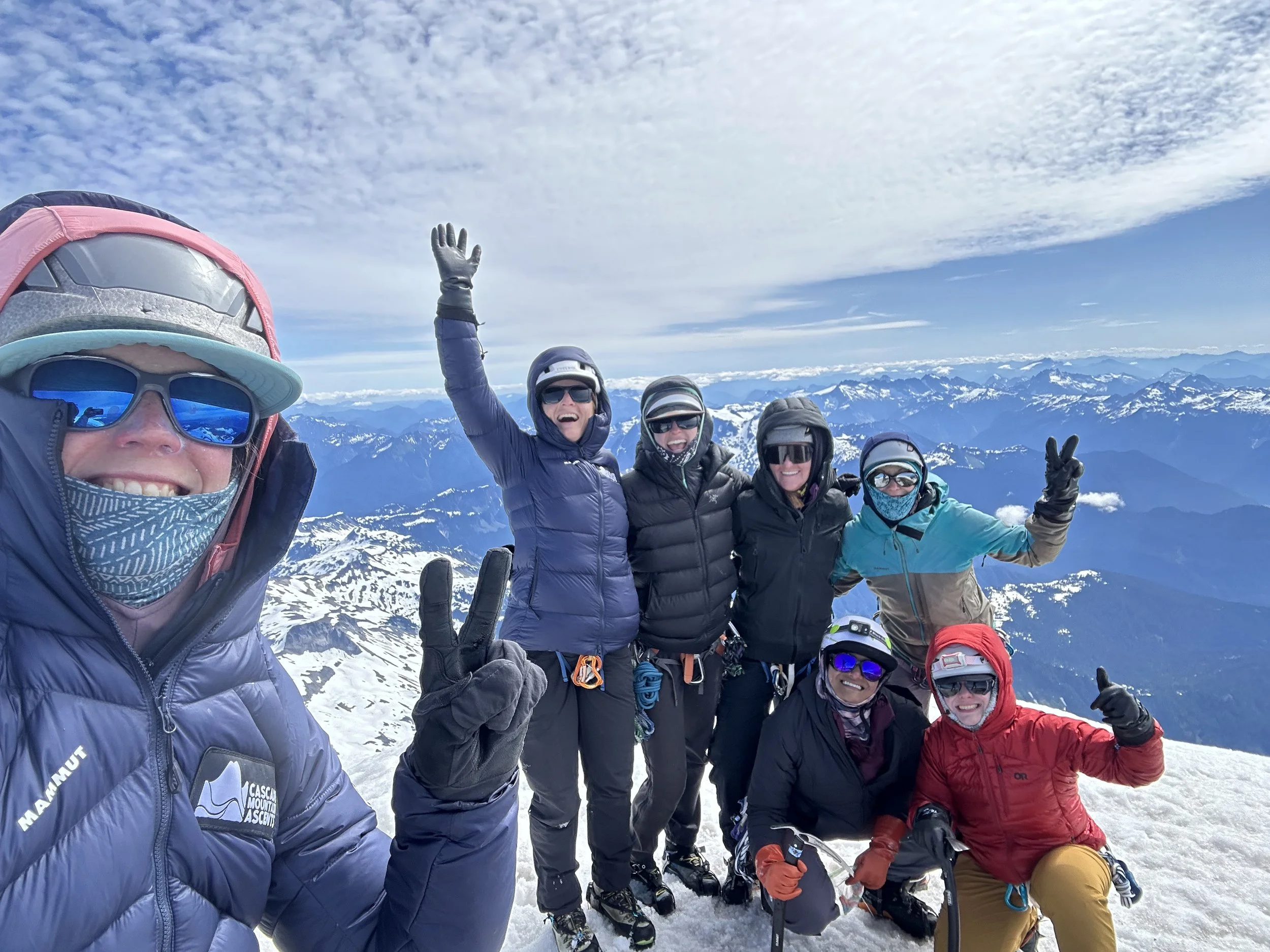
The crew from the Summer 2025 Women’s Mountain Mentorship Program on the summit of Komo Kulshan!
Over the last year, I’ve helped develop three new, mentorship-based climbing programs for women and non-binary folks in Washington and California. I helped run two of these successfully during the summer of 2025 and one is coming up during the winter and spring of 2026! These programs have been some of my favorite courses that I’ve instructed because I truly believe in the power of this format. Check out some of these programs below and commit to your climbing in 2026 :)